Is PT-141 FDA approved?
No. This profile records PT-141 as not FDA approved and for research use only.
MORE CONTEXT ›
Review the regulatory and source details on this page for the current context.
 Start Free Trial
THE DESIRE ACTIVATOR
Bremelanotide; Vyleesi; Rekynda
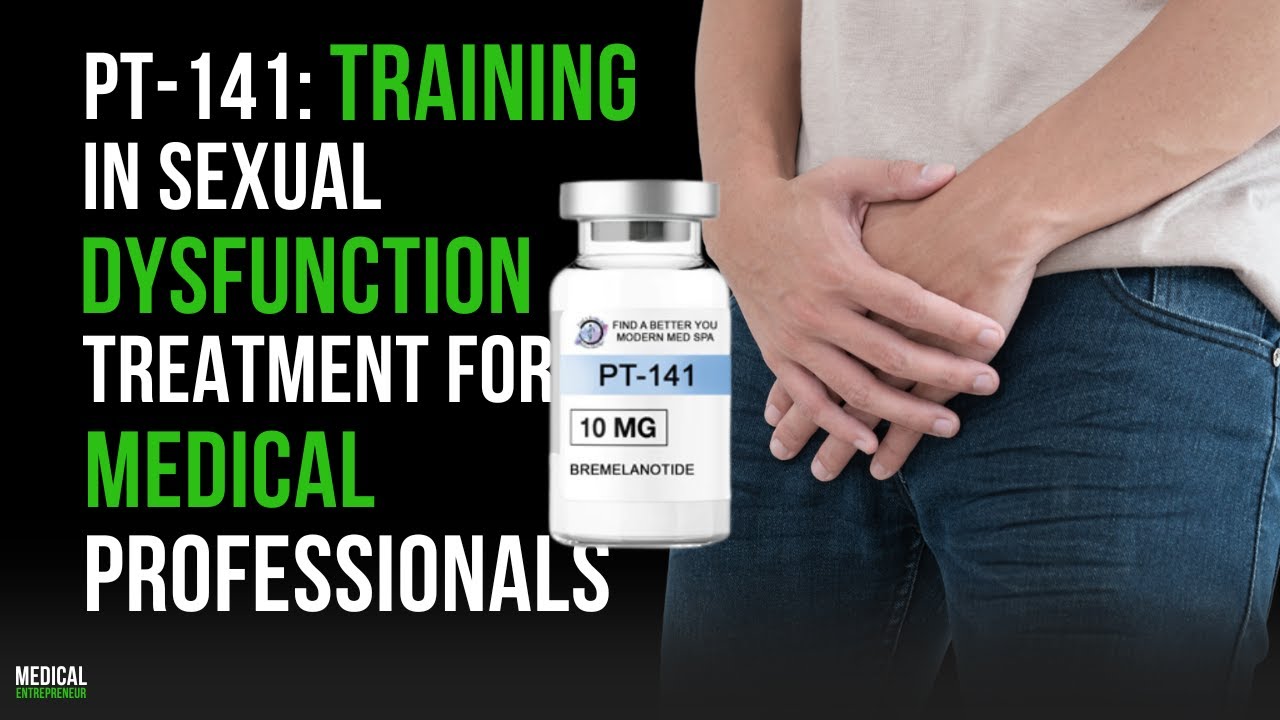
PT-141 (bremelanotide) is FDA-approved as Vyleesi for treating hypoactive sexual desire disorder (HSDD) in women. Unlike Viagra which works on blood flow, PT-141 works centrally in the brain by activating melanocortin receptors. This means it actually increases desire, not just physical response. It also works for men and has neuroprotective properties.
Not FDA approved · research use only
Reviewed by our clinical team
3 research sources
Jul 3, 2026
Dose and schedule recommendations shown below come from The Peptide App Clinical Team. Research links are provided so readers can inspect the supporting evidence directly. Review the sources.
No. This profile records PT-141 as not FDA approved and for research use only.
Review the regulatory and source details on this page for the current context.
Dose: 1-2 mg subcutaneously, 45 minutes before sexual activity.
Schedule: twice_weekly. Cycle: As needed, max 1 dose per 24 hours, max 8 doses per month. This is clinical-team guidance for reference and does not replace individualized instructions from a licensed clinician.
This guide links to 3 curated or current research sources.
Open the research section to inspect the source titles, publication details, study types, and available abstracts directly.
Activates melanocortin receptors (MC4R/MC3R) in the brain
PT-141 (bremelanotide) is a melanocortin receptor agonist that works in the brain rather than on blood flow to the genitals. It binds several melanocortin receptors, with activity at MC4R and MC3R in the hypothalamus thought to drive its effects on sexual response. This central mechanism is the basis for its approval as Vyleesi for hypoactive sexual desire disorder in premenopausal women, distinguishing it from erectile-focused drugs that act on the vascular system.
What the research shows
FDA Approval of Vyleesi (Bremelanotide) FDA approval of Vyleesi describes bremelanotide as a melanocortin receptor agonist acting on central pathways, not on the vasculature. King et al. 2019 - Bremelanotide Clinical Trials Clinical trial reporting frames bremelanotide's activity through central melanocortin receptor agonism.Increases dopamine release in areas controlling sexual behavior
By activating melanocortin receptors in the hypothalamus, PT-141 is thought to modulate dopaminergic signaling in brain regions that govern sexual motivation. The idea is that this shifts the brain toward desire rather than mechanically producing an erection or lubrication. The specific dopamine-release details come largely from preclinical and animal work, so treat the receptor-to-dopamine link as a proposed pathway; what the human trials measured directly was improved desire and reduced distress, not neurotransmitter levels.
Enhances sympathetic tone for physical arousal
Beyond desire, melanocortin signaling can raise sympathetic nervous system tone, which contributes to the physical side of arousal. This same sympathetic activity is thought to underlie the transient increases in blood pressure and small reductions in heart rate that have been noted with bremelanotide. The link between central melanocortin activation and physical arousal reflects the drug's proposed pharmacology; the cardiovascular effects specifically were tracked in the clinical program.
May cause skin darkening via melanocyte activation
Because PT-141 is a non-selective melanocortin agonist, it can also stimulate MC1R on melanocytes, the pigment-producing cells in skin. This is the same receptor family responsible for tanning, so activating it can lead to focal skin darkening or hyperpigmentation, sometimes on the face, gums, or breasts. This effect was observed in the clinical trials and is more likely with repeated use, which is one reason a monthly dosing cap exists.
PT-141, known generically as bremelanotide, is a synthetic cyclic peptide built as an analog of alpha-melanocyte-stimulating hormone (alpha-MSH), a natural signaling molecule in the melanocortin system. It traces back to research on Melanotan II, a tanning peptide, where investigators noticed that participants were unexpectedly reporting increased sexual arousal. That observation split into its own line of research, and PT-141 was engineered from the same parent chemistry to be more selective, favoring the receptor tied to sexual function rather than the ones driving pigmentation or appetite. The compound was developed commercially by Palatin Technologies, and in 2019 the FDA approved it under the brand name Vyleesi for a specific condition in premenopausal women. It is therefore one of the few peptides in the wellness space that has crossed fully into the regulated pharmaceutical world.
The FDA-approved use is hypoactive sexual desire disorder, meaning clinically low sexual desire that causes personal distress, in premenopausal women. Beyond that label, clinics use PT-141 off-label for men, particularly those with erectile difficulty who did not respond well to Viagra or Cialis, and for arousal complaints in women outside the approved group. Because it acts on desire rather than blood flow, people often turn to it when the core issue is motivation or interest rather than physical capacity. A commonly discussed pairing is combining it with a PDE5 inhibitor such as sildenafil, on the logic that one generates the upstream signal in the brain while the other supports the downstream vascular response. Some early interest also exists in its dopaminergic effects on mood and motivation, though that use is speculative.
PT-141 works in the brain, not on the plumbing, which sets it apart from Viagra and Cialis. It crosses into the central nervous system and activates melanocortin MC4 receptors, concentrated in the medial preoptic area of the hypothalamus, a region that governs sexual desire and arousal in both men and women. Activating those receptors is thought to increase dopamine release, which amplifies the neural circuits that generate desire, so the effect is described as raising the want rather than just enabling the response. A distinctive quirk is that the effects outlast the molecule itself: its half-life is only about 2.7 hours, yet reported effects can persist from roughly 6 to 24 hours, likely because the peptide sets off a neurochemical cascade that continues after the drug has cleared. Its relative selectivity for MC4, compared with the broader receptor activity of Melanotan II, is what is credited with giving it the sexual effect without the tanning and appetite changes.
PT-141 is a systemic agent, meaning it acts throughout the body via the brain rather than at a local site. The clinically studied and approved route is subcutaneous injection, with reported protocols describing a 1.75 mg dose taken on an as-needed basis at least 45 minutes before anticipated activity, rather than on a daily schedule. Guidance from the trials describes no more than one dose in 24 hours and a monthly ceiling, a cap attributed largely to a hyperpigmentation risk that rose sharply with frequent consecutive dosing but stayed low at the intermittent frequency. Earlier research also explored an intranasal form, including one small study that paired low-dose intranasal PT-141 with low-dose sildenafil, but the injectable is what standard use has settled on. These are the trial parameters, not a recommendation, and cadence in off-label and compounded settings varies.
The strongest data sits with women, where two phase 3 randomized controlled trials, the Reconnect trials published by Kingsberg and colleagues in 2019, studied roughly 1,247 premenopausal women with hypoactive sexual desire disorder, and a longer extension followed hundreds more for about a year. The effects on desire and distress were statistically significant and durable, but they were modest: the placebo response was high at around 35 percent, and discontinuation in the treatment arms was substantial, driven largely by nausea, with the trials funded by the manufacturer. Evidence in men is earlier and thinner, resting on a 2004 study by Rosen and colleagues showing dose-dependent erectile response in Viagra non-responders and a small 2024 observational report by Goldstein and Goldstein in 21 men with no control group. So the mechanism is well characterized and the female indication is genuinely trial-backed, while male use is reasonable extrapolation rather than proven at the same level. The most common side effects reported are nausea, transient rises in blood pressure, flushing, and headache.
Bremelanotide is FDA-approved as the prescription drug Vyleesi, cleared in 2019 for hypoactive sexual desire disorder in premenopausal women, which makes PT-141 unusual among peptides in having a formal regulatory pathway. Use in men and in postmenopausal women falls outside that label and is considered off-label. Alongside the branded product, PT-141 is widely sold in gray-market and compounded channels as a research peptide, where purity, dosing, and oversight are not guaranteed. It is not a scheduled controlled substance, and it is not a prominent athletic doping agent, so it is generally discussed in the context of sexual health rather than sports anti-doping rules.
The live research feed did not return papers for this page. The curated references below remain available for crawlable source context.