Is Melanotan II FDA approved?
No. This profile records Melanotan II as not FDA approved and for research use only.
MORE CONTEXT ›
Review the regulatory and source details on this page for the current context.
 Start Free Trial
THE TANNING PEPTIDE
Melanotan I-II, MT-II, MT-2, Melanotan-2, Melanotan II
Melanotan II stimulates melanin production by activating melanocortin receptors in the skin. It allows you to develop a tan with minimal UV exposure, providing some protection against sunburn. MT-II also crosses the blood-brain barrier, which can affect appetite and libido as secondary effects.
Not FDA approved · research use only
Reviewed by our clinical team
4 research sources
Jun 13, 2026
Dose and schedule recommendations shown below come from The Peptide App Clinical Team. Research links are provided so readers can inspect the supporting evidence directly. Review the sources.
No. This profile records Melanotan II as not FDA approved and for research use only.
Review the regulatory and source details on this page for the current context.
Dose: Start at 0.25mg, increase to 0.5-1mg per injection.
Schedule: daily. Cycle: Loading phase: daily for 2-3 weeks. Maintenance: 1-2x per week. This is clinical-team guidance for reference and does not replace individualized instructions from a licensed clinician.
This guide links to 4 curated or current research sources.
Open the research section to inspect the source titles, publication details, study types, and available abstracts directly.
Activates MC1R receptors to boost natural melanin in skin
Melanotan II is a synthetic analog of alpha-MSH, the hormone your body normally uses to signal pigment cells. It binds melanocortin-1 receptors (MC1R) on melanocytes in the skin, which switches on the production of eumelanin, the darker pigment. The practical effect is that skin can darken with little or no sun exposure. This action is well characterized pharmacologically, but Melanotan II is not an approved or regulated tanning product, and most of what is known comes from early and small-scale human and animal work.
Increased melanin helps absorb UV and reduce burning
Because the extra pigment is eumelanin, it sits in the skin where it can absorb and scatter UV before that energy reaches and damages cell DNA. In principle a darker, melanin-rich layer raises the threshold at which skin starts to burn. This is a partial effect, not a substitute for sunscreen, and the protection is modest compared with dedicated UV blockers. Human data on how much real-world burn protection Melanotan II provides remain limited and early-stage.
What the research shows
Melanotan-II: A Review of Its Pharmacology Notes that increased melanin from MC1R activation contributes to UV absorption and photoprotection. Melanotan II Safety and Efficacy Studies Efficacy work links the pigmentation response to reduced sunburn susceptibility, though with limited controlled human data.Activates MC4R in the brain, often increasing sex drive
Melanotan II is non-selective, so besides skin receptors it also activates melanocortin-4 receptors (MC4R) in the brain, which sit on pathways tied to sexual arousal rather than hormone levels. Activating these central circuits can raise sex drive and, in some people, trigger spontaneous erections. This central effect is real enough that a close relative of Melanotan II, bremelanotide (PT-141), was developed specifically for low sexual desire and is FDA-approved for that use in premenopausal women. Melanotan II itself, however, is not approved for libido or any other purpose.
May reduce appetite through central nervous system activity
The same central melanocortin receptors that influence arousal also help regulate feeding, so activating MC4R and related receptors in the brain can dampen appetite. This is a known role of the melanocortin system in energy balance, which is why it is studied as a target for weight regulation. For Melanotan II the appetite change is a side effect rather than a designed use, it varies from person to person, and the supporting evidence is preclinical and early. Melanotan II is not an approved appetite or weight-loss treatment.
Melanotan II is a synthetic, cyclic analog of alpha-melanocyte-stimulating hormone (alpha-MSH), a small peptide the body uses to signal pigment production. It was developed in the 1980s by researchers at the University of Arizona who were looking for a way to induce a protective tan without heavy sun exposure, on the theory that darker skin might lower skin cancer risk. Chemists there re-engineered the natural alpha-MSH sequence into a more stable, longer-lasting molecule that resists the rapid breakdown the natural hormone undergoes. That same research program later produced two better-known descendants: afamelanotide (a linear analog marketed as Scenesse), and bremelanotide, also called PT-141, which was pursued for sexual dysfunction after tanning studies noticed unexpected arousal effects. Melanotan II itself was never brought to market as an approved drug and instead spread through the gray market as a self-injected tanning and libido product.
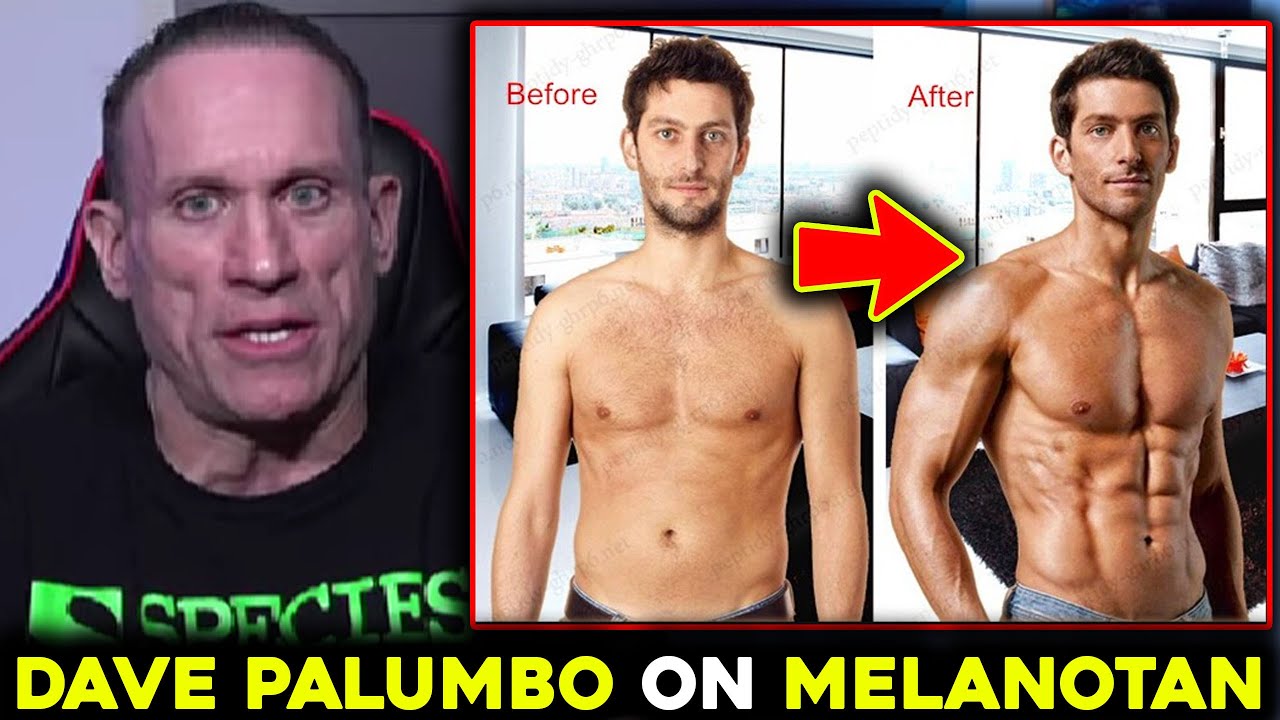
The headline reason people seek out Melanotan II is cosmetic tanning: it darkens the skin without requiring time in the sun or a tanning bed, which is why it is sometimes nicknamed the “Barbie peptide.” Users often report that the color develops on its own and can be held with occasional maintenance dosing once the desired shade is reached. A second, well-documented effect is on sexual function; because the melanocortin system also influences arousal, many users notice increased libido and erections, the same property that led to PT-141 being developed as a separate drug. Some also cite appetite suppression, since melanocortin signaling touches hunger pathways. Within bodybuilding and physique circles it is popular around competitions for stage-ready color, and it is often discussed as part of a broader “stack” of unregulated peptides rather than used alone.
Melanotan II is a non-selective agonist at the melanocortin receptors, meaning it activates several of them (including MC1R, MC3R, and MC4R) rather than targeting just one. Activating MC1R on pigment cells drives melanocytes to produce more melanin, which is what darkens the skin, and this happens systemically, so pigmentation increases everywhere rather than in one spot. Its non-selective reach is exactly why the effects spill beyond tanning: MC4R activity in the brain influences sexual arousal and appetite, which accounts for the libido and appetite changes users describe. This lack of selectivity is the distinguishing feature versus its descendants, which were engineered to be narrower. Because melanin production is stimulated indiscriminately, existing freckles and moles darken along with the surrounding skin, a point that becomes important when evaluating its risks.
Melanotan II is most commonly self-administered by subcutaneous injection using an insulin-style syringe, typically after reconstituting a lyophilized powder with bacteriostatic water. A nasal spray form also circulates and is used by people who want to avoid needles, though dosing by that route is harder to control. Users generally describe an initial loading period to build up color, followed by less frequent maintenance dosing once the desired tone is reached. Because the peptide acts on receptors throughout the body, its effects are systemic rather than confined to any injection site. The loading and maintenance cadences people describe come from anecdote and community sharing, not clinical dosing guidance.
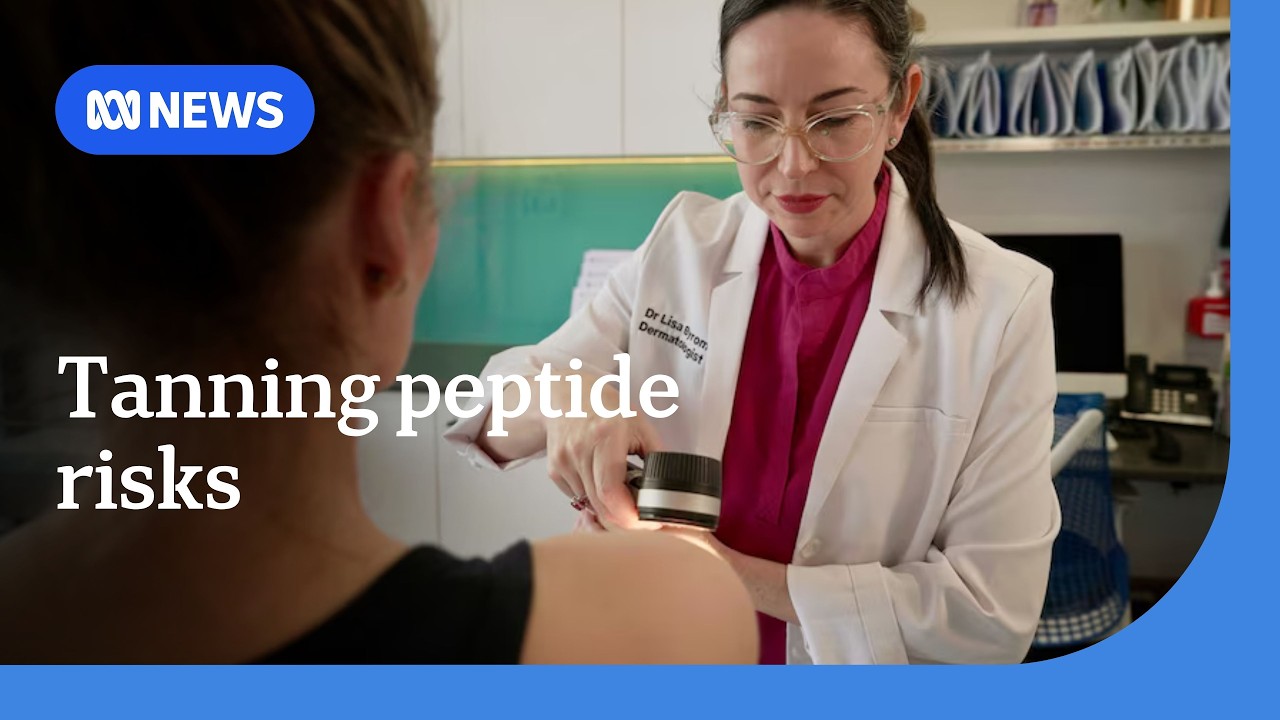
The evidence base for Melanotan II itself is thin and dominated by early pharmacology studies and small human experiments rather than large controlled trials, and it was never carried through formal approval. Its ability to increase pigmentation and to affect sexual arousal is reasonably well established from that early work, but rigorous long-term safety data in humans is lacking. The safety concerns are not merely theoretical: dermatologists report seeing patients develop atypical, unusual-looking moles while using it, and there are published case reports in the scientific literature linking Melanotan II to melanoma, though a causal relationship has not been proven. A further, practical evidence gap is product quality, because material sold online comes from unregulated labs and may be impure or contaminated. Common reported side effects include nausea, facial flushing, appetite loss, yawning and stretching, and darkening of moles and freckles.
Melanotan II is not approved by the FDA for any use and is sold only as a research chemical, not as a medicine, so it carries no regulated manufacturing or quality oversight. Regulators internationally treat it as an unapproved substance: Australia’s Therapeutic Goods Administration and border authorities, for example, actively try to intercept it and curb its advertising. Its approved relatives are easy to confuse with it: afamelanotide (Scenesse) is approved for a rare light-sensitivity disorder, and bremelanotide (Vyleesi, the PT-141 derivative) is approved for a form of sexual dysfunction, but neither of those approvals extends to Melanotan II. It circulates under aliases including MT-II and MT-2.
 NO. 01
 NO. 02
 NO. 03
The live research feed did not return papers for this page. The curated references below remain available for crawlable source context.