Is CJC-1295 (no DAC) FDA approved?
No. This profile records CJC-1295 (no DAC) as not FDA approved and for research use only.
MORE CONTEXT ›
Review the regulatory and source details on this page for the current context.
 Start Free Trial
THE PULSE AMPLIFIER
CJC-1295, Mod GRF 1-29, GRF (1-29) analog, CJC-1295 w/o DAC
CJC-1295 (no DAC) is a short-acting GHRH peptide that amplifies your natural growth hormone pulses, especially when paired with Ipamorelin. It boosts release and eases off the somatostatin brake, supporting recovery and body composition without sustained elevation.
Not FDA approved · research use only
Reviewed by our clinical team
4 research sources
Aug 28, 2026
Dose and schedule recommendations shown below come from The Peptide App Clinical Team. Research links are provided so readers can inspect the supporting evidence directly. Review the sources.
No. This profile records CJC-1295 (no DAC) as not FDA approved and for research use only.
Review the regulatory and source details on this page for the current context.
Dose: 100 mcg at night fasted.
Schedule: daily. Cycle: 8 weeks on, 8 weeks off. This is clinical-team guidance for reference and does not replace individualized instructions from a licensed clinician.
This guide links to 4 curated or current research sources.
Open the research section to inspect the source titles, publication details, study types, and available abstracts directly.
Stimulates pituitary to release growth hormone in natural pulses
CJC-1295 is a growth-hormone-releasing hormone (GHRH) analog, so it acts on the same pituitary receptors your body already uses to signal GH output. Because it amplifies your natural release signal rather than replacing GH directly, the hormone still comes out in pulses shaped by your own feedback loops, which helps preserve the normal rhythm of secretion. The no-DAC form is short-acting, so it produces a brief, sharp bump in that signaling. This mechanism is grounded in human pharmacokinetic work on CJC-1295, though most performance and body-composition claims around it remain early-stage.
Short half-life keeps GH in your body's own pulses
The no-DAC form lacks the Drug Affinity Complex that lets the DAC variant bind reversibly to albumin and stay in circulation for days. Without it, this peptide is cleared within hours, so it produces a brief, sharp rise in GH signaling instead of a sustained elevation. That short window is the point: GH still comes out in the pulses your own feedback loops shape, which is closer to natural secretion than the steady elevation the DAC form creates. The rapid-clearance behavior is grounded in human pharmacokinetic data on the no-DAC form.
Increases IGF-1 for muscle growth and tissue repair
Growth hormone released from the pituitary travels to the liver, where it drives production of IGF-1, the downstream messenger that carries much of GH's effect on muscle and tissue. By nudging GH higher, CJC-1295 tends to raise IGF-1 as a secondary result, which is the signal most associated with cell growth and repair. Human data confirm the GH-to-IGF-1 rise, but whether this translates into meaningful muscle growth or faster recovery in healthy people is still early and largely unproven.
Improves deep sleep quality through GH optimization
Most of your natural GH is normally released during deep, slow-wave sleep, so the GH axis and sleep architecture are closely linked. The idea here is that supporting healthy GH pulses may reinforce that deep-sleep window, since the two systems reinforce each other. This connection is drawn from the broader physiology of the GH axis rather than from direct sleep trials of CJC-1295, so treat any sleep benefit as plausible but not established.
CJC-1295 grew out of research on growth hormone releasing hormone (GHRH), a 44 amino acid signal made in the hypothalamus. The first 29 amino acids of GHRH carry most of its activity, and that fragment is the basis of sermorelin. The “no DAC” version of CJC-1295 is essentially sermorelin with four amino acid substitutions, which is why it is also called modified GRF 1-29 or mod GRF 1-29. Those substitutions were made to slow enzymatic breakdown and raise potency, and they are credited with much of the compound’s strength rather than any later add-on. The better known “with DAC” version attaches a drug affinity complex that lets the molecule bind serum albumin in the blood, stretching its half-life to several days. The no DAC form deliberately leaves that off, so it stays short acting and closer to the body’s own GHRH signal.
People look into CJC-1295 no DAC to nudge their own growth hormone output rather than inject growth hormone directly. The commonly cited goals are improved sleep quality, faster recovery, and shifts in body composition such as more lean mass and less fat, since growth hormone and its downstream signal IGF-1 are tied to muscle protein synthesis and fat metabolism. By far the most popular pairing is with ipamorelin, a ghrelin receptor agonist that pushes growth hormone release through a separate pathway, so the two are described as working together on the same pulse. Some users choose the no DAC form specifically because it preserves the body’s natural burst pattern and does not keep growth hormone elevated around the clock. A lesser discussed appeal is cost, as sermorelin and CJC-1295 no DAC are usually the cheapest options in this peptide family.
CJC-1295 no DAC acts like GHRH, telling the anterior pituitary to release growth hormone, and the pituitary sits outside the blood brain barrier so a circulating peptide can reach it. What sets the no DAC form apart is its short window, with a half-life reported in roughly the 30 to 60 minute range, so it produces a sharp pulse and then lets levels fall back to baseline. That matters because the body releases growth hormone in pulses, and a signal that fades quickly mimics that rhythm instead of flattening it. The DAC version behaves very differently, because binding to albumin extends its half-life to around five days and raises the low point (trough) levels of growth hormone between pulses, which is exactly what the no DAC form avoids. The extra potency of this molecule is attributed to the four amino acid changes rather than the DAC, since that boost shows up even in the short acting form.
CJC-1295 no DAC is used as a subcutaneous injection, since peptides of this size are heavily degraded in the digestive tract and poorly absorbed if swallowed. Because it is short acting, discussions of it focus on timing the dose to line up with a natural growth hormone pulse, and many reported protocols favor dosing at night or on an empty stomach. The reasoning given is that food raises somatostatin, the brake on growth hormone, which can blunt the response to an injection. This is a systemic effect rather than a local one, since the peptide travels in circulation to reach the pituitary. The schedules people describe are extrapolations, not dosing advice drawn from controlled trials on this exact peptide.
CJC-1295 no DAC, or modified GRF 1-29, has essentially no dedicated human studies, a point the clinicians in the source videos repeat plainly. Most of what is claimed about it is inferred from its close relatives, since it is structurally very near sermorelin and shares the GHRH mechanism, and some inferences borrow from the small human literature on the DAC version. That makes confident claims about its exact half-life, dosing, and long term effects difficult to support from clinical data. The broader growth hormone question also carries real caveats, as chronically elevated growth hormone and IGF-1 raise concerns around insulin resistance and, in theory, effects on cell growth. Anyone weighing this compound should treat the mechanistic story as plausible but largely unproven for the no DAC form specifically.
CJC-1295 in any form is not approved by the FDA for human use, and it is sold in the research chemical market rather than as an approved drug. GHRH analogs and other growth hormone secretagogues are prohibited at all times under WADA rules, so this peptide is banned in tested sport. Access through compounding pharmacies has also tightened, as US regulators moved several peptides in this category off the readily compoundable list, which is why availability keeps shifting. It travels under several names, including modified GRF 1-29, mod GRF 1-29, and tetrasubstituted GRF (1-29), and is frequently confused with the longer acting DAC version and with sermorelin.
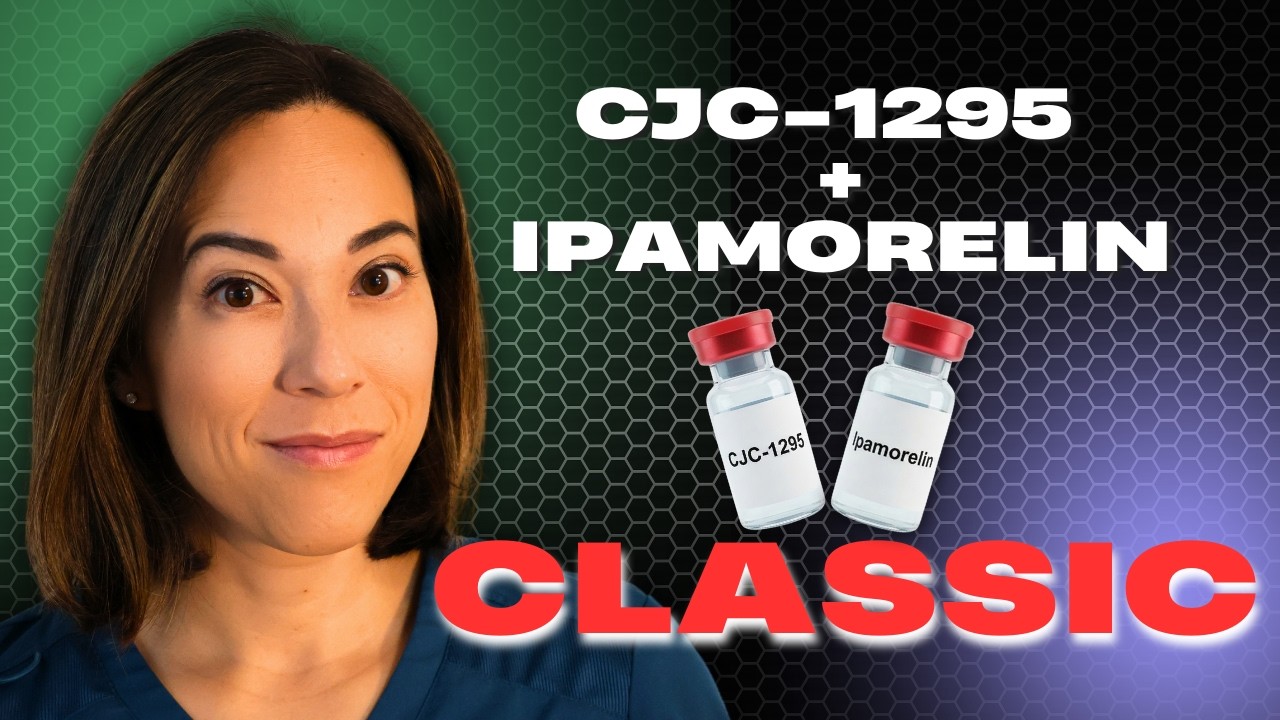 NO. 01
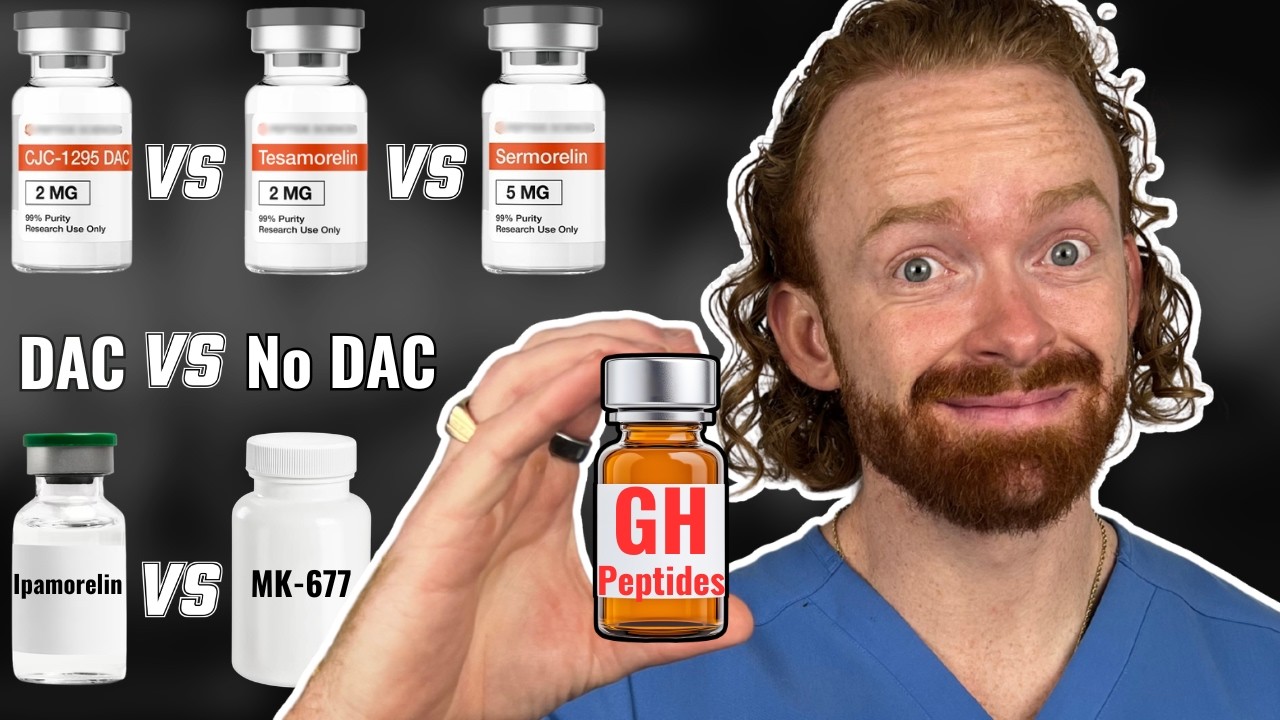 NO. 02
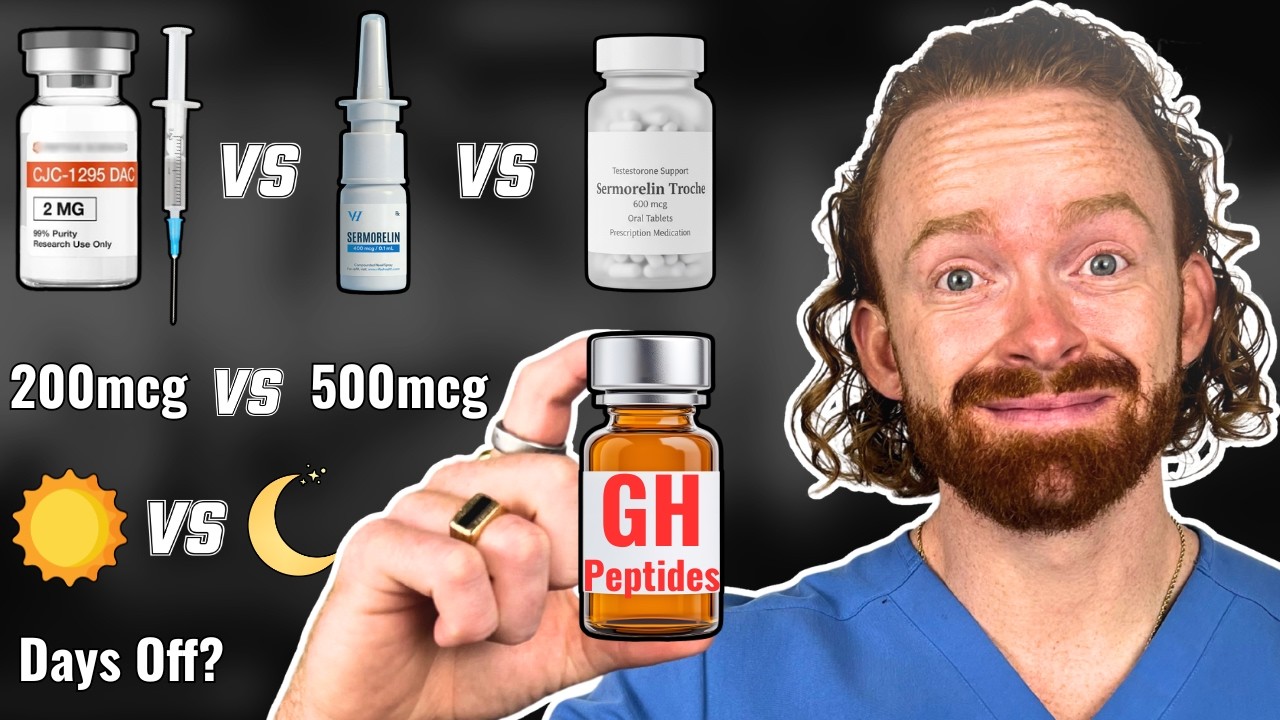 NO. 03
The live research feed did not return papers for this page. The curated references below remain available for crawlable source context.