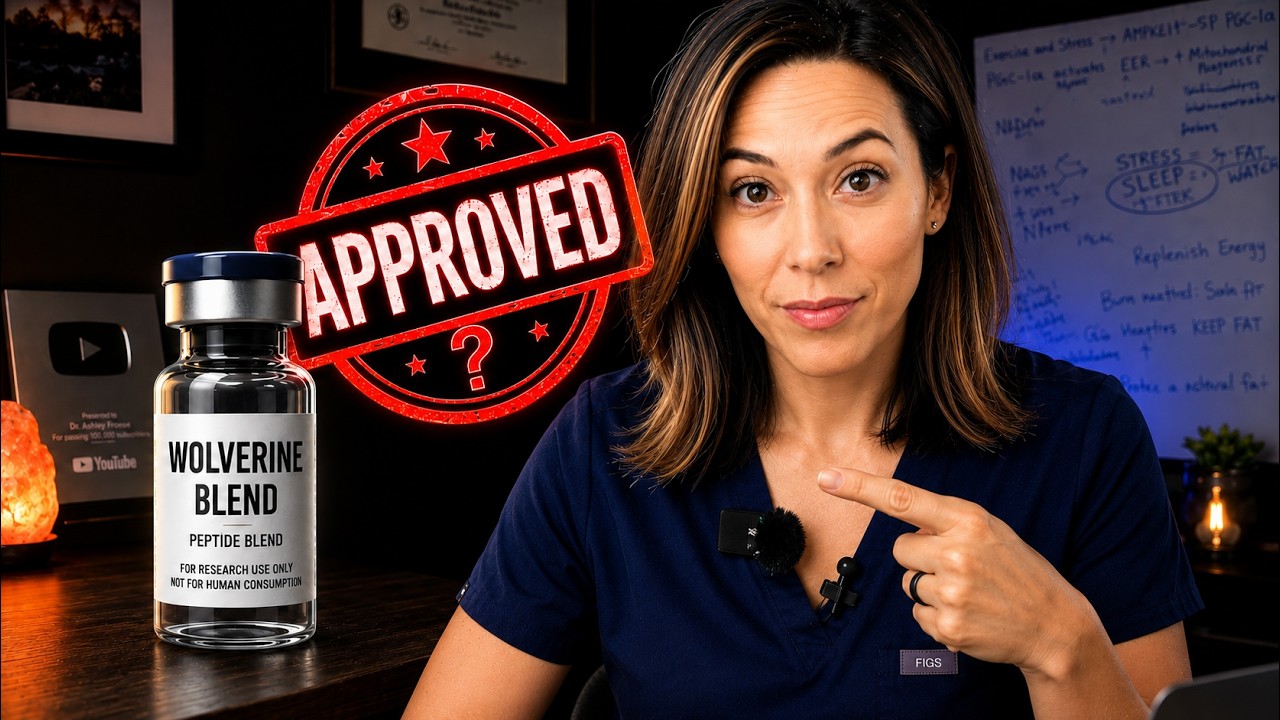
Is KPV FDA approved?
No. This profile records KPV as not FDA approved and for research use only.
MORE CONTEXT ›
Review the regulatory and source details on this page for the current context.
 Start Free Trial
THE INFLAMMATION ERASER
Lysine-Proline-Valine
KPV is a short anti-inflammatory peptide (a fragment of alpha-MSH) that calms gut and skin inflammation while promoting healing. It's popular for IBD, colitis, and inflammatory skin conditions.
Not FDA approved · research use only
Reviewed by our clinical team
3 research sources
Aug 28, 2026
Dose and schedule recommendations shown below come from The Peptide App Clinical Team. Research links are provided so readers can inspect the supporting evidence directly. Review the sources.
No. This profile records KPV as not FDA approved and for research use only.
Review the regulatory and source details on this page for the current context.
Dose: 200-500 mcg daily (injectable or oral for gut).
Schedule: daily. Cycle: 4-8 weeks or as needed. This is clinical-team guidance for reference and does not replace individualized instructions from a licensed clinician.
This guide links to 3 curated or current research sources.
Open the research section to inspect the source titles, publication details, study types, and available abstracts directly.
Suppresses pro-inflammatory cytokines through NF-κB inhibition
KPV is the C-terminal tripeptide (Lys-Pro-Val) of the natural hormone alpha-MSH, and it carries much of that hormone's anti-inflammatory activity in a smaller fragment. The proposed mechanism is that KPV enters cells and interferes with the NF-kB pathway, the master switch that turns on genes for pro-inflammatory cytokines. By dampening that signal, less of the inflammatory messaging gets produced in the first place. This is a preclinical, cell-culture and animal-model picture rather than a proven effect in people, so treat it as a promising mechanism still being characterized.
Supports mucosal healing in inflammatory bowel conditions
In the gut, calming that same inflammatory signaling is thought to give the intestinal lining a chance to repair. Because KPV lowers pro-inflammatory activity in the mucosa, the tissue faces less ongoing damage and can shift toward healing rather than staying locked in an inflamed state. The evidence here comes mainly from animal models of colitis and inflammatory bowel disease, not from large human trials, so the gut-healing role is best understood as early-stage and preclinical.
Promotes resolution of inflammation and tissue healing
Wound repair depends on inflammation resolving on schedule: it has to clear the injury and then wind down so rebuilding can begin. KPV's anti-inflammatory action is proposed to help move tissue out of that inflammatory phase, creating conditions where repair can proceed. This role is inferred from KPV's broader anti-inflammatory profile in laboratory and animal studies rather than from human wound trials, so it remains an early and largely preclinical claim.
KPV is a tripeptide, meaning it is made of just three amino acids: lysine, proline, and valine, which is where the name comes from. It is the C-terminal fragment of alpha-melanocyte-stimulating hormone (alpha-MSH), a signaling hormone the body produces that helps regulate skin pigmentation, appetite, and immune activity. Researchers noticed that this short tail sequence carried much of alpha-MSH’s calming, anti-inflammatory activity without the part of the parent hormone responsible for pigment and appetite effects. That observation, explored in cell and animal studies going back decades, is what drew interest to KPV as a standalone anti-inflammatory peptide. It shares a parent molecule with Melanotan II but acts through entirely different targets, so it does not cause the skin darkening associated with that compound.
The most discussed use is gut inflammation, and much of the preclinical research centers on models of inflammatory bowel disease such as colitis. Beyond the gut, people explore it for broader inflammatory and autoimmune-adjacent complaints, including food sensitivities, bloating, and stress-linked IBS-type symptoms, often alongside dietary changes rather than as a replacement for them. It is also used for inflammatory skin conditions like eczema, psoriasis, and rosacea, where it can be applied as a topical cream in addition to oral or injected use. Some practitioners discuss it for mast cell activation syndrome, typically starting very low and increasing slowly. KPV is a component of the popular multi-peptide CLOVE blend and is frequently paired with BPC-157 for gut-focused protocols, though enthusiasts note it can also stand on its own.
KPV works inside the cell rather than at a surface receptor. Its main action is interfering with NF-kappaB, a protein that acts as a master switch for turning on inflammatory genes; KPV competes for the importin transport protein that normally ferries NF-kappaB into the nucleus, so the switch cannot reach the DNA to fire. A 2012 study reportedly visualized this blockade directly using fluorescent-tagged proteins. What sets KPV apart from steroids like prednisone is that instead of broadly suppressing immunity, work in the Journal of Leukocyte Biology suggested it can actually enhance immune cells’ ability to kill bacteria while it dampens inflammatory signaling. There is also an intriguing gut-targeting idea: the PepT1 transporter, which KPV binds with unusually high affinity, is largely absent from a healthy colon but appears in inflamed tissue, which in theory could concentrate KPV where it is needed, though this selective accumulation has not yet been directly measured in a living organism.
Reported protocols describe two main systemic routes plus a topical option. For gut-focused use, oral dosing is common because it places the peptide directly into the GI tract where PepT1 can absorb it; however, being a very small tripeptide, KPV is partly broken down by digestive enzymes, which is why several research groups have spent years developing nanoparticle delivery systems and why oral amounts are described as higher than injected ones. For systemic inflammation or skin concerns, subcutaneous injection is described as giving higher bioavailability by bypassing digestion. For localized skin conditions, a compounded topical cream is sometimes combined with oral or subcutaneous use for both local and whole-body effect. One practical note raised in the material: because drugs such as ACE inhibitors and certain antibiotics use the same PepT1 transporter, oral KPV could theoretically compete with their absorption, which is a point to raise with a physician.
The evidence base for KPV is almost entirely preclinical. Every study commonly cited comes from cell culture or animal models, with roughly six separate studies showing benefit in animal models of gut inflammation, and there are no human clinical trials, no human dosing studies, and no long-term or formal safety data. The FDA has stated there is no human exposure data for this peptide. The underlying mechanism is well characterized and has been reproduced by multiple independent groups, including experiments in mice genetically lacking melanocortin receptors where KPV still resolved severe colitis, which strengthens confidence in how it works even if human efficacy is unproven. One reviewer found another prominent KPV video citing cardiovascular studies with fabricated authors, papers, and journals, a reminder to treat online claims skeptically. Reported benefits in the community are anecdotal, often describing gradual improvement over several weeks, and KPV is frequently described as very well tolerated, though the absence of formal toxicology data means that reputation is not the same as proof.
KPV is not an FDA-approved drug and has no approved human indication. It is generally obtained either through compounding pharmacies and hormone clinics, which offer more quality control and oversight at higher cost, or through research-peptide suppliers at lower cost and without medical vetting. Its regulatory position is actively in flux: the FDA’s Pharmacy Compounding Advisory Committee has taken up peptides in this category, including BPC-157 and TB-500, and its decisions could change whether and how KPV can be compounded. Anyone considering it should treat it as an experimental compound and consult a licensed physician.
The live research feed did not return papers for this page. The curated references below remain available for crawlable source context.